
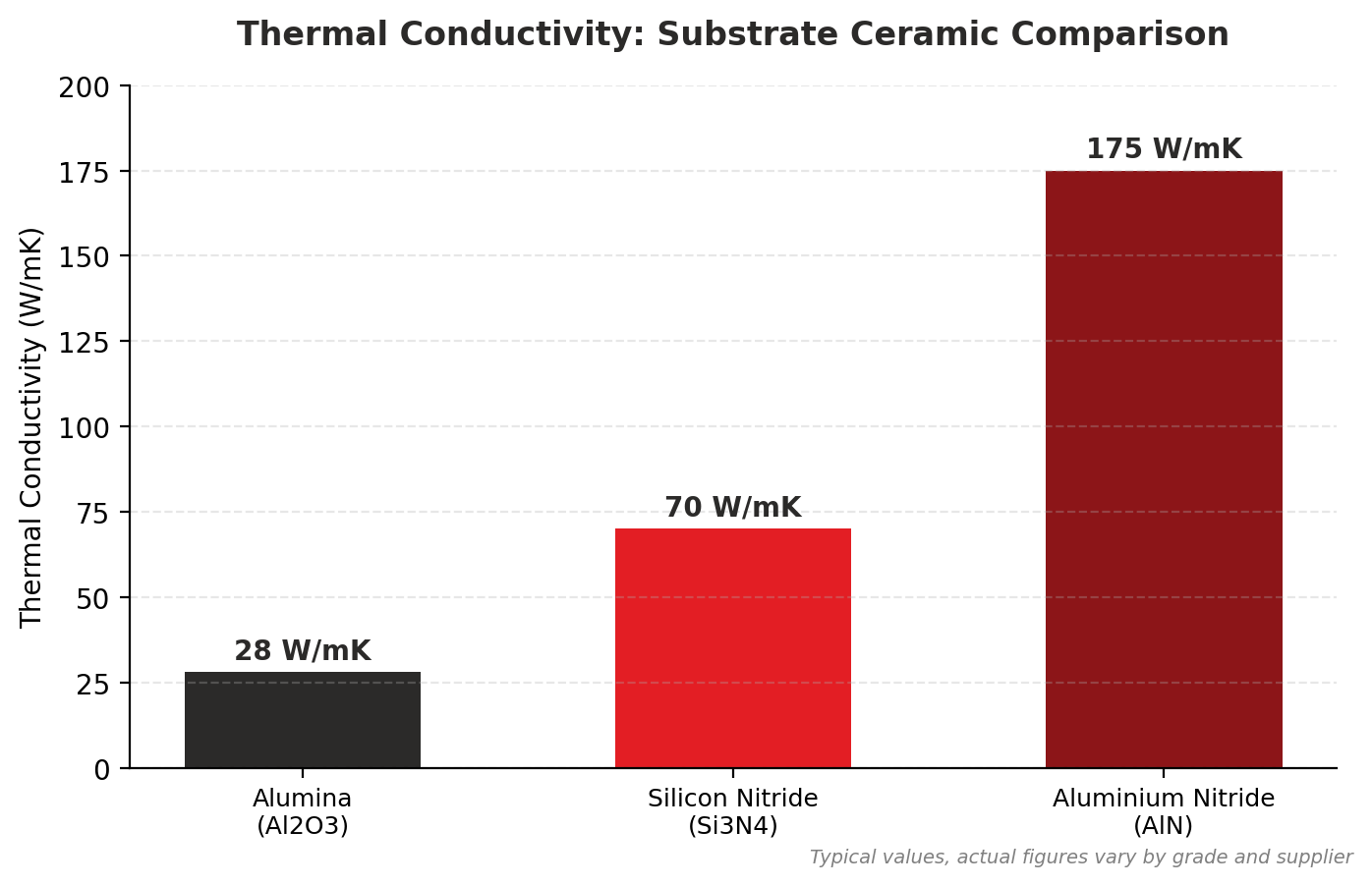
DBC & AMB Ceramic Substrates: What to Check Before You Order
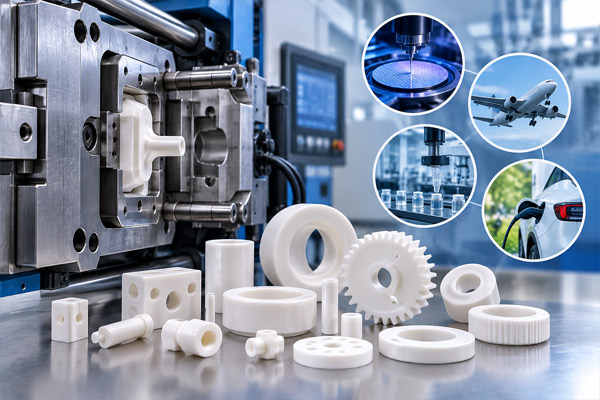
DBC & AMB Ceramic Substrates: What to Check Before You Order If you’re specifying substrates for a power module, you already know the datasheet doesn’t tell you everything. Two suppliers can quote the same thickness, the same copper weight, and the same alumina grade, and still hand you wildly different real world performance. The difference
Read More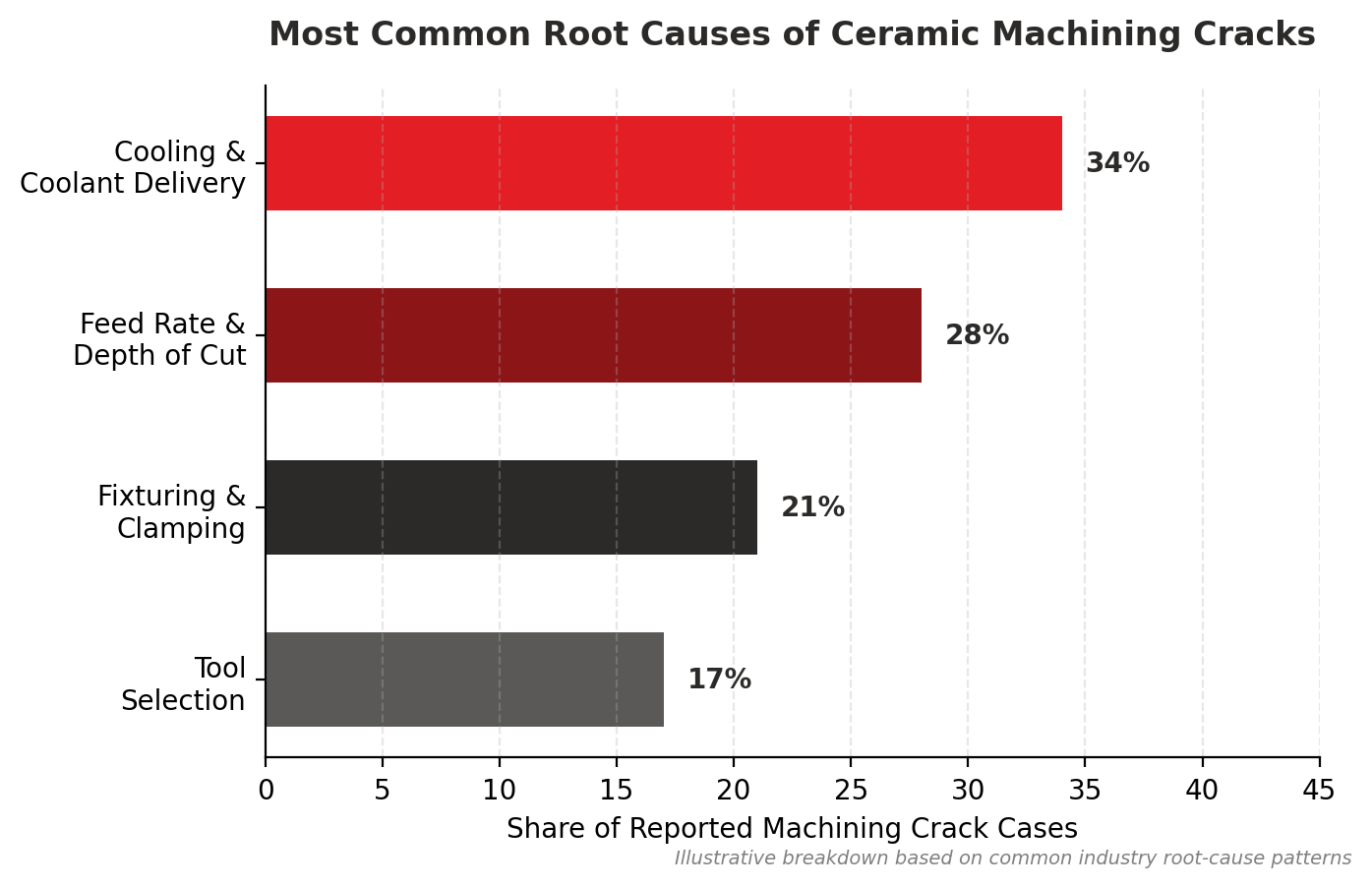
Why Do Ceramic Parts Crack During Machining? Causes & Fixes
Why Do Ceramic Parts Crack During Machining? Causes & Fixes Technical ceramics are hard, wear resistant, and thermally stable, which is exactly why they’re used in demanding applications. It’s also exactly why they’re unforgiving to machine. Unlike metal, ceramic doesn’t deform before it fails. It cracks. And once a micro crack forms during grinding, it
Read More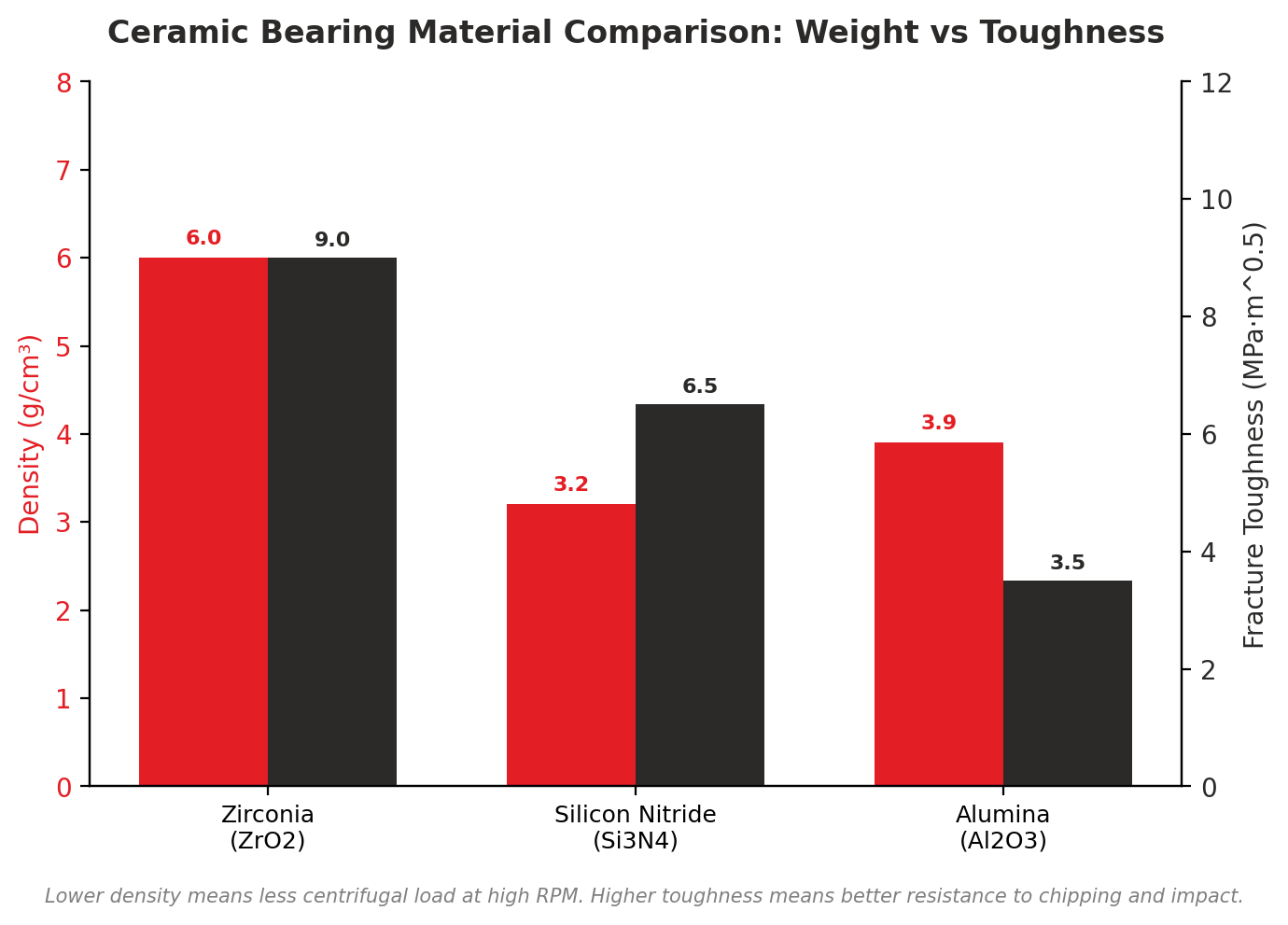
Zirconia vs Silicon Nitride vs Alumina Bearings: Which One Fits Your Application?
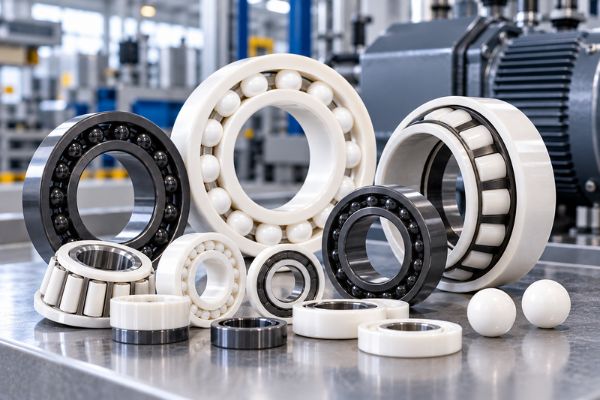
Industrial Applications of Ceramic Bearings Steel bearings fail in ways that are entirely predictable. They corrode in wet or chemical environments, they generate heat at high speed, and they need constant lubrication to survive. Ceramic bearings solve most of those problems, but “ceramic bearing” isn’t one material. Zirconia, silicon nitride, and alumina behave differently enough
Read More